The Real Difference Between Brushing and Flossing
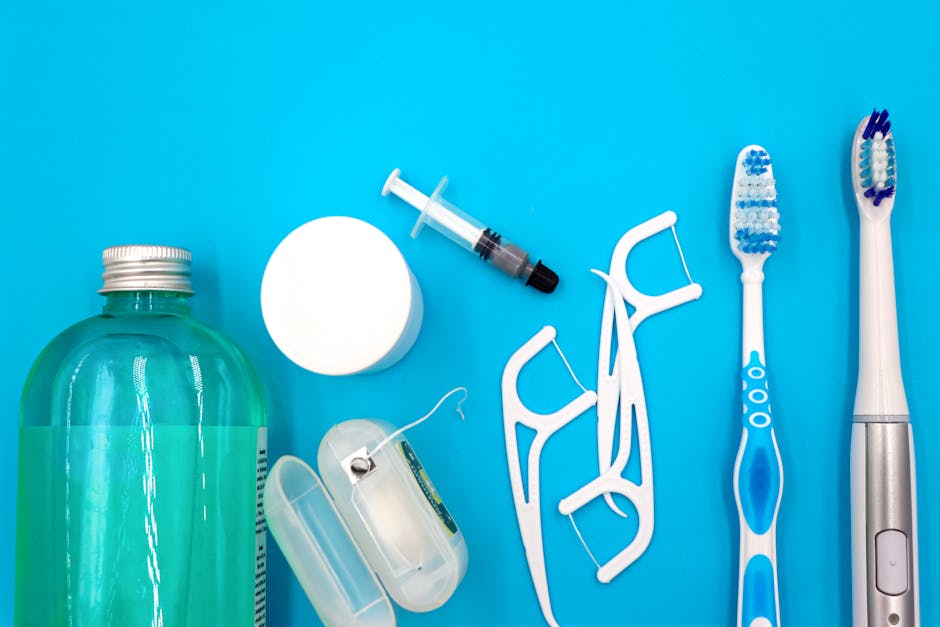
Many people brush their teeth diligently but skip flossing, thinking a good brush is enough. However, brushing and flossing serve different purposes and work together to keep your mouth healthy.
Brushing removes food debris and plaque from the outer surfaces of your teeth and gums. Your toothbrush bristles can reach about 60% of your tooth surfaces – the front, back, and tops. But there's a significant area your brush simply can't access: the tight spaces between teeth.
This is where flossing becomes essential. The spaces between your teeth are where plaque loves to hide, and it's impossible to remove with a toothbrush alone. When plaque builds up in these areas, it hardens into tartar, which can only be removed by a dentist. More importantly, plaque between teeth and below the gum line leads to gum disease, which is a major cause of tooth loss in adults.
Why gum disease matters: It starts silently with bleeding gums and bad breath, but can progress to serious infection affecting the bone supporting your teeth. Regular flossing prevents this from developing.
There are several flossing options available. Traditional string floss is effective if you use it correctly – gently work it between teeth and curve it around each tooth below the gum line. Water flossers are excellent for people with braces, implants, or dexterity issues. Interdental brushes work well if you have wider gaps between teeth.
The key is finding a method you'll actually use consistently. An electric flosser might feel easier than traditional floss for some people, making them more likely to do it daily.
Flossing should take just two to three minutes daily. The best time is before brushing your teeth, so the fluoride from your toothpaste can reach between teeth. If you haven't flossed regularly before, expect your gums to bleed slightly for the first week or two – this is normal and will improve as your gums become healthier.
Your dentist can show you the correct technique during your appointment. Many people think they're flossing properly when they're actually just moving floss between teeth without cleaning below the gum line.
Combined with twice-daily brushing and regular dental checkups, daily flossing is one of the most effective ways to prevent cavities and gum disease. It's a simple habit with major long-term benefits for your oral health.