Understanding Dental Anxiety: You're Not Alone
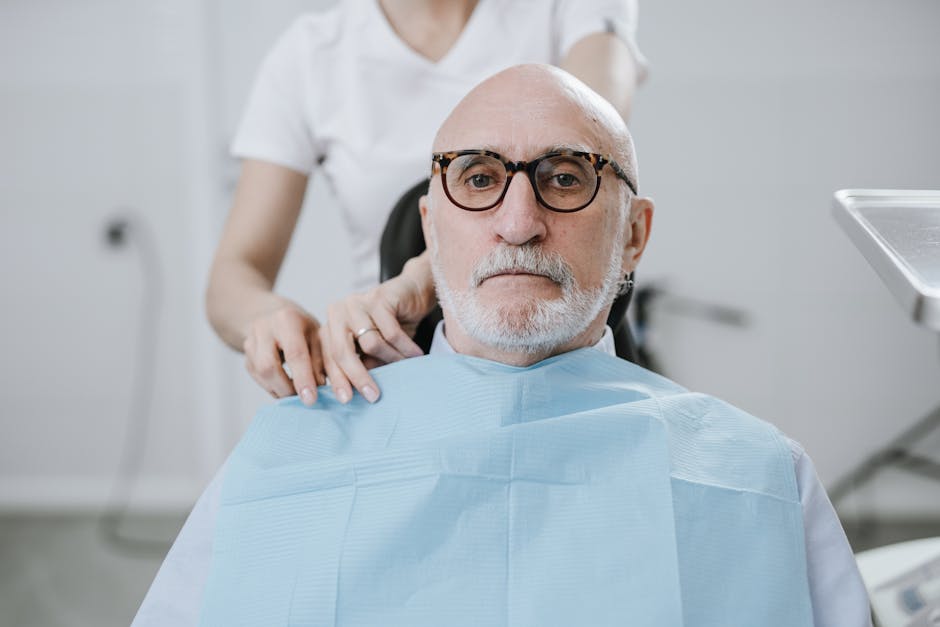
Dental anxiety is incredibly common – studies suggest that around 36% of people experience anxiety about dental treatment, and up to 12% have severe dental phobia. If you're nervous about visiting the dentist, you're definitely not alone.
Anxiety can stem from various sources: previous bad experiences, fear of pain, feeling loss of control, embarrassment about your teeth, or simply the unfamiliar environment and sounds. Understanding your specific triggers is the first step toward managing them.
Practical strategies that help: Many patients find that arriving early and taking slow, deep breaths before their appointment calms their nervous system. Some practices offer headphones so you can listen to music or podcasts during treatment, which helps distract from sounds and sensations.
Communication is crucial. Tell your dentist about your anxiety before treatment starts. A good dentist will take time to explain what they're doing, go at your pace, and agree on a hand signal you can raise if you need a break. Knowing you can pause treatment gives you back a sense of control.
Some people benefit from bringing a trusted friend or family member to their appointment for moral support. Others prefer to schedule appointments at quieter times when the practice is less busy and they'll have the dentist's full attention.
If your anxiety is severe, ask about sedation options. Some practices offer nitrous oxide (laughing gas) which helps you relax while remaining conscious. Others can discuss oral sedation for more significant anxiety.
Building a relationship with your dentist helps too. When you see the same dentist regularly, they understand your concerns and can tailor their approach to you. They're trained to work with anxious patients and genuinely want you to feel comfortable.
Start with a simple checkup rather than complex treatment. Once you've had a positive experience, it becomes easier to return. Each successful visit builds confidence.
Avoid caffeine before your appointment, as it can increase anxiety. Instead, eat a light meal and ensure you're well-rested. Taking care of your general wellbeing helps manage dental anxiety.
Remember that regular dental visits actually reduce anxiety over time. The more you go, the less scary it becomes. Your dentist's job is to help you maintain healthy teeth – they're on your side. Don't let anxiety prevent you from getting the care you deserve.